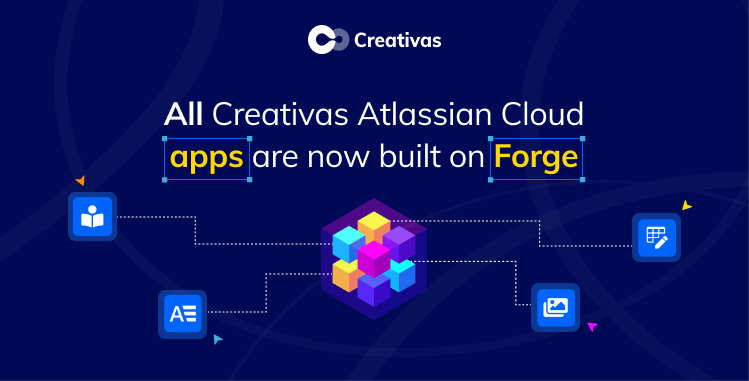
All Creativas Atlassian Cloud apps are now built on Forge

As of October 2026, our full Atlassian Cloud app portfolio is built on Atlassian Forge.
That means all four Creativas apps are now developed on Atlassian’s cloud app platform:
- Smart Courses for Confluence: LMS, employee training, onboarding, quizzes and compliance
- Smart Terms: glossary and terminology management for Confluence and Jira
- Smart Tables for Confluence: table filtering, reporting, charts, formulas, calculations and SQL views
- Smart Images for Confluence: image editing, image maps, sliders and galleries
Getting here took years of work.
Moving established apps with real customers, data, workflows and years of functionality wasn’t simply about changing the technology underneath them. We had to rebuild some parts, redesign others, and work around limitations as Forge itself continued to evolve.
Now all four apps share the same Forge foundation.
And for us, that’s where the interesting part starts.
Why did we move our Atlassian apps to Forge?
Forge is now Atlassian’s preferred platform for building Cloud apps. Since September 17, 2025, only Forge apps can be submitted as new apps to the Atlassian Marketplace, and Atlassian says it’s delivering new extensibility features on Forge. Read Atlassian’s Forge documentation for Confluence.
Atlassian Connect is also approaching end of support on January 31, 2027.
So we couldn’t ignore moving to Forge.
But we didn’t want to treat it as a deadline or a box to check.
Forge is also where Atlassian is investing in capabilities that can shape the next generation of Cloud apps: AI, Rovo extensions, Forge LLMs, Teamwork Graph and deeper connections across the Atlassian platform.
We wanted our apps to be ready for that future.
What is Atlassian Forge?
Atlassian Forge is the development platform for building apps that extend Jira, Confluence and other Atlassian Cloud products.
With Forge, Atlassian manages core areas of the platform such as infrastructure, compute and hosted storage, while app developers build the functionality customers interact with. Forge is Atlassian’s preferred cloud app development platform.
For Creativas, that gives us a common foundation across our products while keeping our apps closer to the Atlassian ecosystem they are designed for.
What does moving to Forge mean for our customers?
The biggest change isn’t something customers need to learn.
It’s what Forge allows us to build behind the scenes.
- Closer alignment with Atlassian Cloud: Our apps can evolve alongside the platform they extend instead of depending on a legacy framework.
- Access to new Atlassian capabilities. Forge gives us more opportunities to work with capabilities such as Rovo Agents, Forge LLMs and Teamwork Graph.
- A stronger foundation for AI. Forge LLMs allow Forge apps to call Atlassian-hosted large language models, giving developers a platform-native way to build AI functionality.
- Atlassian-managed infrastructure. Forge provides Atlassian-managed infrastructure and hosted storage, including data residency support for persistent Forge-hosted storage. Learn about Forge data residency.
- One foundation across our portfolio. Smart Courses, Smart Terms, Smart Tables and Smart Images can now evolve on the same Atlassian development platform rather than following separate technical paths.
And some of those benefits are already visible in the products.
Smart Courses: Building a Confluence LMS on Forge
Smart Courses for Confluence was the final piece of our Forge journey.
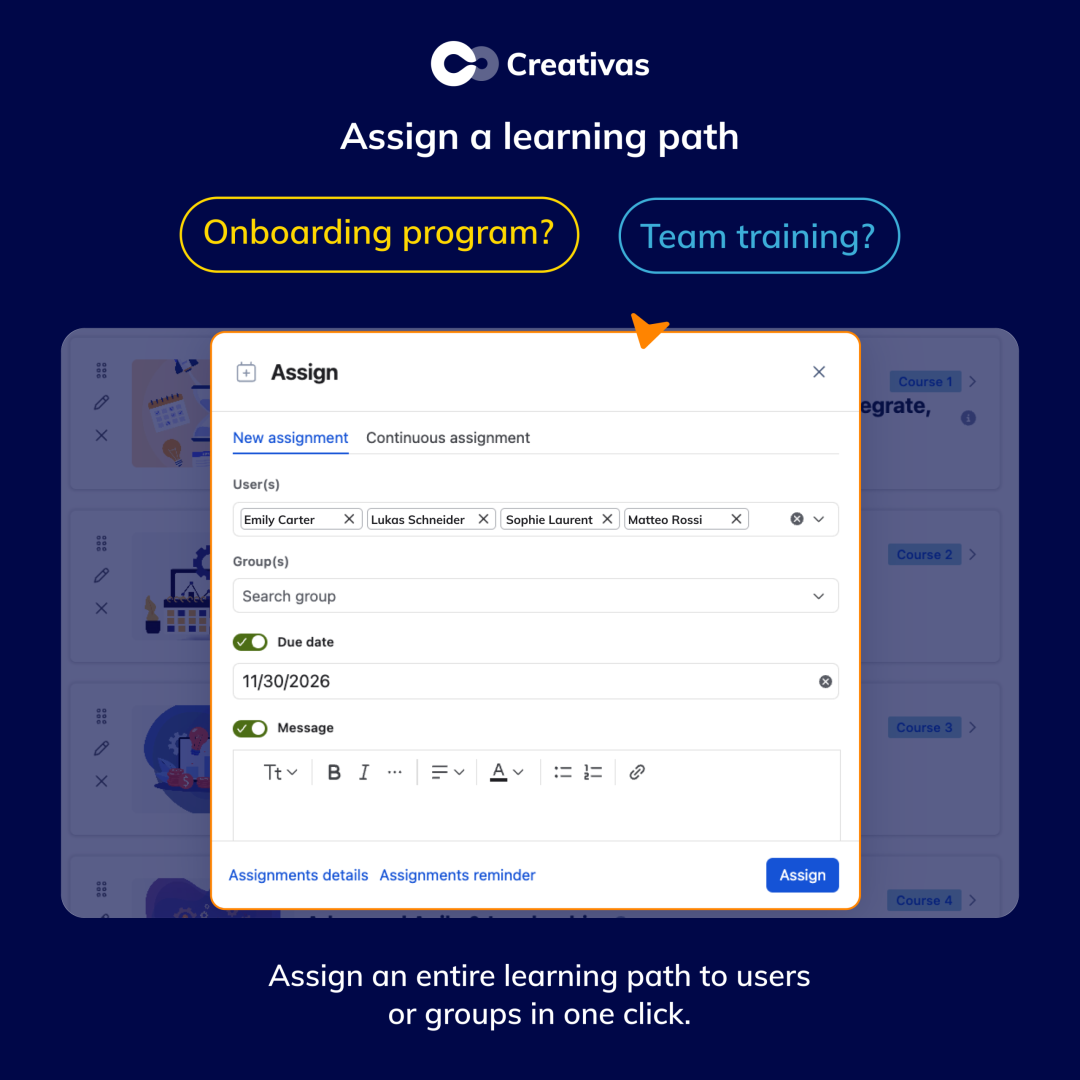
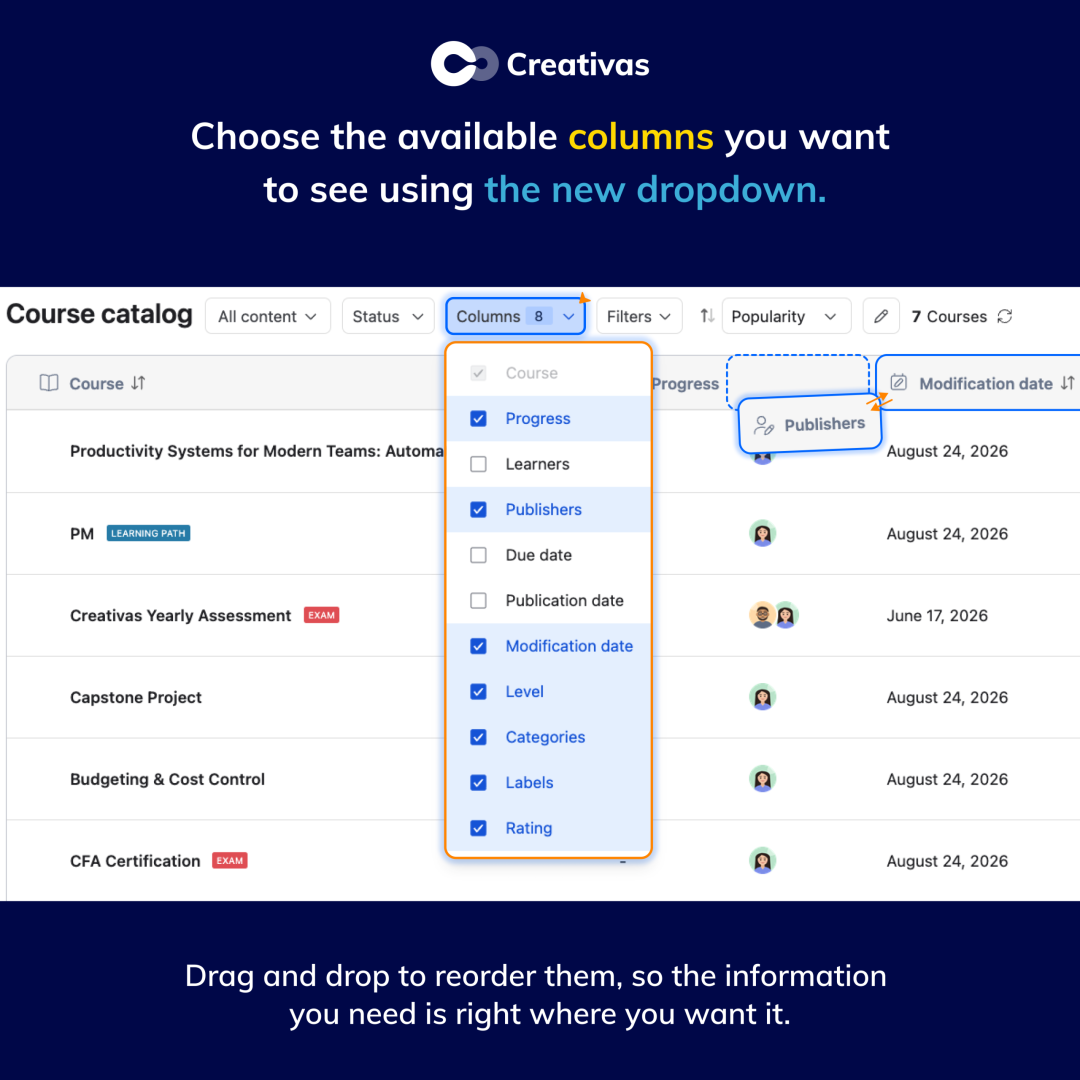
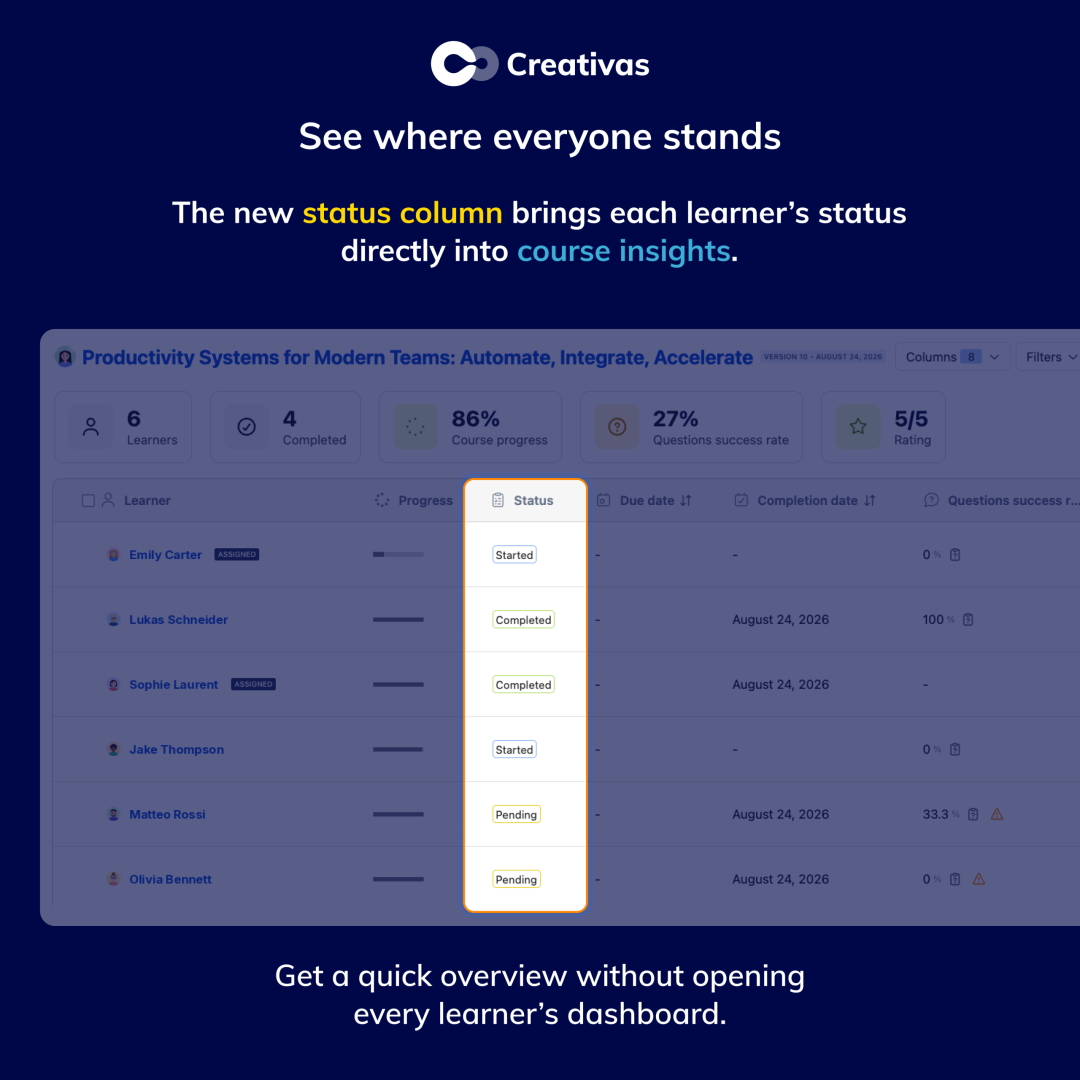
Smart Courses turns Confluence into a learning management system where teams can create and deliver employee training, onboarding programs, compliance courses, quizzes, exams, certifications and SCORM-based learning experiences.
Rebuilding an app with that much functionality on Forge required far more than moving a few components.
Courses, assignments, learner data, Insights and the workflows customers already rely on had to remain part of the experience while the app moved to its new foundation.
That work is now complete.
Smart Courses is on Forge, and that also gives us a better foundation for the next capabilities we want to bring into learning in Confluence, including more AI-assisted experiences and deeper connections with the Atlassian platform.
For teams looking for a Confluence LMS, employee training in Confluence, Confluence onboarding, or compliance training with SCORM, the technology underneath Smart Courses is now ready for where Atlassian Cloud is going next.
Smart Terms: A Forge-powered glossary for Confluence and Jira
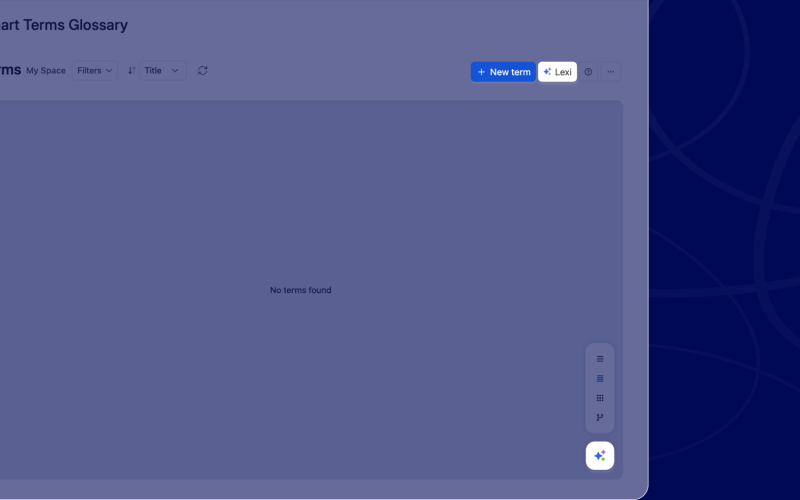
With Smart Terms, teams can build and manage an enterprise glossary, define terminology, connect related vocabulary and automatically highlight terms across Confluence and Jira content.
Forge has already started changing what we can add to that experience.
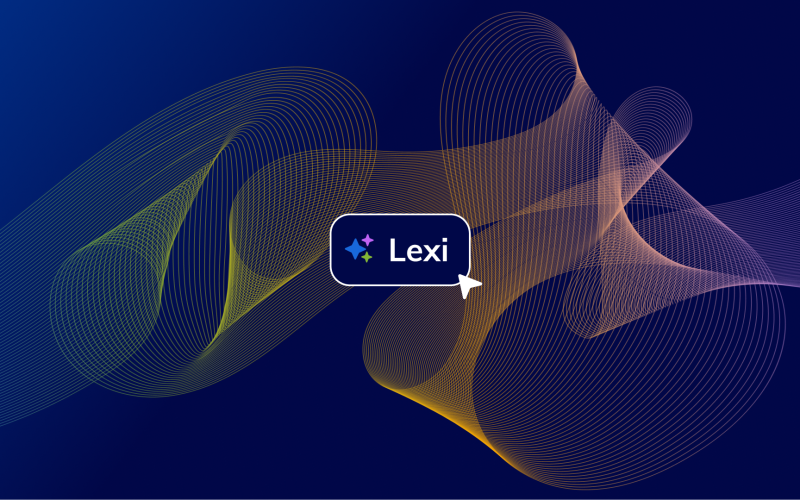
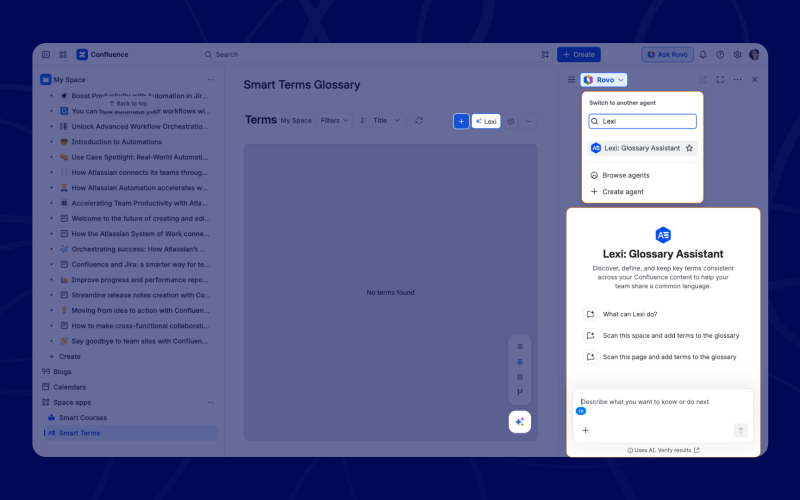
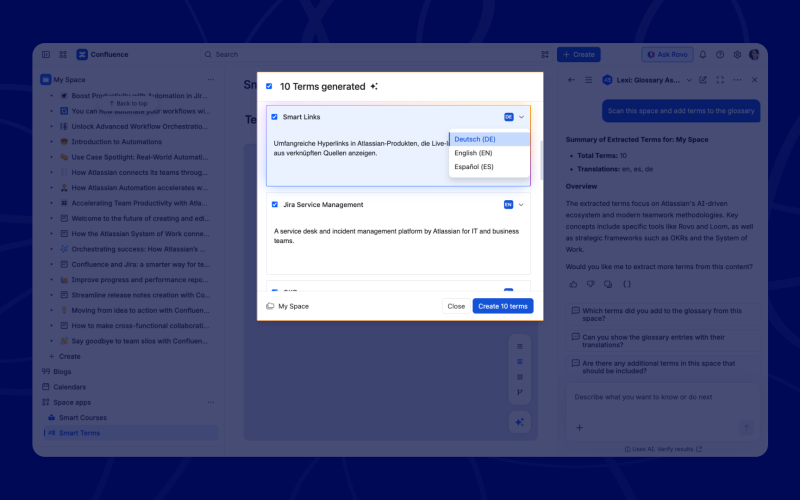
We launched Lexi, our AI Glossary Assistant, to help teams analyze their Confluence knowledge, identify relevant terminology and create glossary content faster.
We’re also using Atlassian Forge LLMs for AI-assisted term translations, bringing AI into the terminology workflow using Atlassian-hosted models.
For organizations managing acronyms, technical terminology, product language or company-specific vocabulary, Smart Terms provides a Confluence glossary and terminology layer directly inside the Atlassian workspace.
And this is a good example of why our Forge migration matters: the benefit isn’t the migration itself. It’s what we can build because of it.
Smart Tables: Table filtering, reporting and AI queries in Confluence
Confluence tables often start simple. Then the data grows.
Teams need advanced filters, calculations, charts, pivot tables, grouping, reporting and different ways to understand the same data.
That’s where Smart Tables for Confluence comes in.
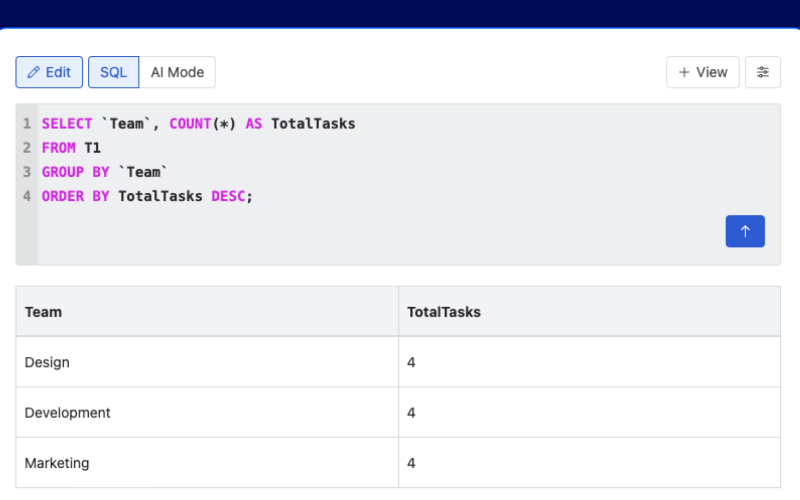
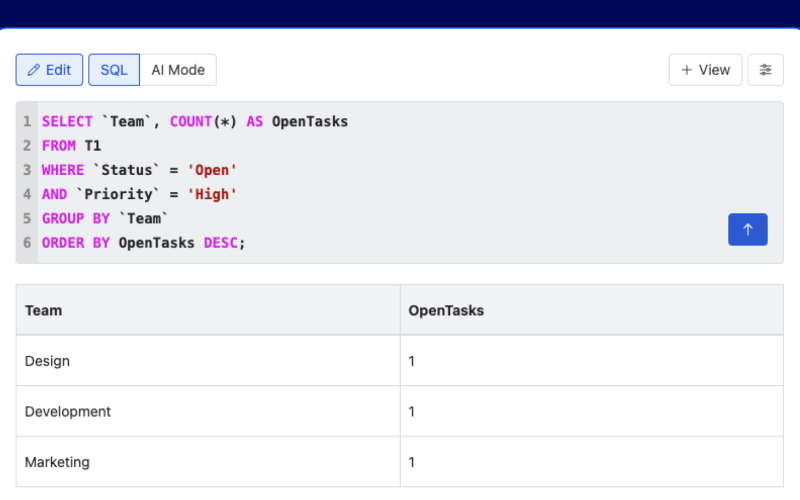
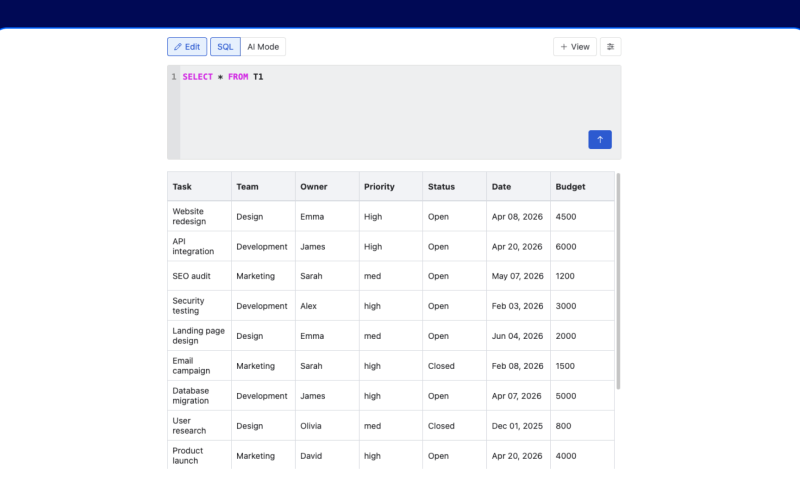
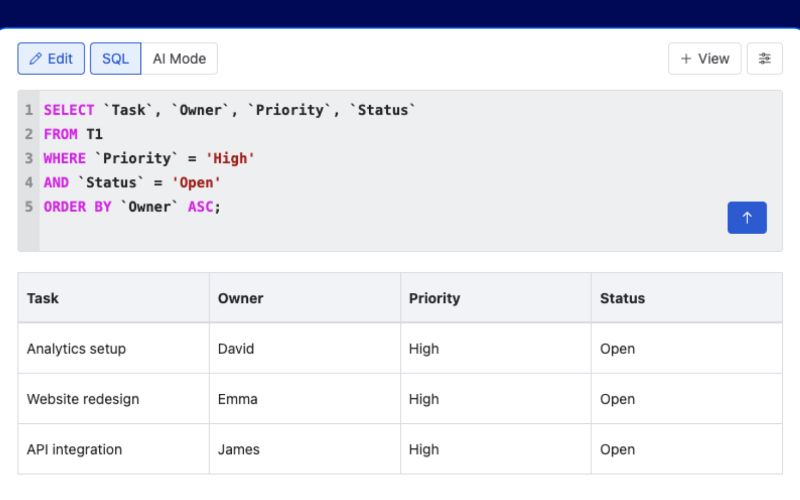
Smart Tables extends native Confluence tables with table filtering, charts, pivots, Excel-like calculations and additional reporting capabilities. Its SQL Views also let teams query their table data and create more specific views without duplicating the source table.
Forge is also opening new ways to simplify those workflows.
With AI Query, users can describe the result they need and generate the SQL query instead of having to write it manually.
For someone searching for a Confluence table filter, Confluence reporting app, pivot tables for Confluence, or SQL queries in Confluence, Smart Tables now combines those established capabilities with a Forge foundation we can continue building on.
Smart Images: Image editing and visual content inside Confluence
Not every Forge benefit needs to involve AI.
Smart Images for Confluence is our visual toolkit for teams that want to do more with images without constantly moving between Confluence and external editing tools.
Teams can edit and annotate images, create interactive image maps, and display visual content through sliders and galleries directly in Confluence.
Smart Images is also fully Forge-developed, giving it the same foundation as the rest of our Cloud portfolio.
For teams searching for a Confluence image editor, image map for Confluence, Confluence image gallery, or image slider, those workflows can stay where the documentation itself lives.
Forge, security and trust
Security was also an important part of why moving toward Forge made sense for us.
Forge provides Atlassian-managed infrastructure alongside built-in platform security controls. Atlassian documents security for Forge through a shared responsibility model, where Atlassian manages parts of the underlying platform while Marketplace Partners remain responsible for the security decisions and functionality within their apps. Read Atlassian’s Forge security guidance and shared responsibility model.
That doesn’t mean Forge removes our responsibility as a Marketplace Partner.
It means we’re building on an infrastructure designed specifically for Atlassian Cloud apps while continuing to take responsibility for how our apps are built, maintained and secured.
Forge also provides data residency support for persistent Forge-hosted storage.
For qualifying Forge apps, Atlassian also offers Runs on Atlassian, a trust designation with requirements around Atlassian-hosted compute and storage, data residency and external data egress controls.
Today, Smart Terms, Smart Tables and Smart Images carry the Runs on Atlassian badge on the Atlassian Marketplace.
All four apps are Forge-developed; Runs on Atlassian is a separate eligibility and trust designation.
Forge isn’t the finish line
Over the last few years, we did a lot of behind-the-scenes work to get our portfolio here.
There were limitations to work around, functionality to rebuild, architecture to rethink, and a platform that was evolving while we were building on it.
But the objective was never simply to say: “Our apps are on Forge.”
The objective was to make sure Smart Courses, Smart Terms, Smart Tables and Smart Images are ready for what comes next.
We’re already seeing that with Lexi, Forge LLM-powered translations and AI-generated SQL queries.
Next, we’ll continue looking at where capabilities such as AI, Rovo, Teamwork Graph and other Forge improvements can solve real problems across our apps.
Not because every feature needs AI, not because every new Atlassian capability needs to become a feature. But because when something can genuinely make training easier, terminology clearer, data easier to understand or Confluence content better to work with, our apps are now in the right place to build it.
ConfluenceLearningOnboarding